
A loft conversion is one of the most effective ways to add space, value and flexibility to your home without extending outward. Whether you need an extra bedroom, home office, dressing room or even a compact en-suite, converting your loft can unlock hidden potential you didn’t realise your home already had.
However, not all loft conversions are the same. The different types of loft conversions available depend on your property type, your goals, and how you want to use the space. At Astrid Architects, we help homeowners design loft conversions that are tailored to lifestyle, light, views and practical needs, not just square footage.
In this guide, we’ll explain the most common loft conversion types, how they work and which homes they suit best.

Why Choosing the Right Loft Conversion Type Matters?
A loft conversion isn’t simply about adding a room. It’s about creating a space that feels intentional and integrated with the rest of your home.
Some homeowners prioritise:
- Maximising head height
- Capturing a specific view
- Adding a bathroom or dressing area
- Creating a quiet study or workspace
- Increasing natural light
- Preserving external appearance
Your property’s existing roof shape plays a big role in what’s possible. Terraced homes, semis, detached houses and bungalows all present different design opportunities. Understanding the different types of loft conversions helps you make smarter early decisions.
Dormer Loft Conversions
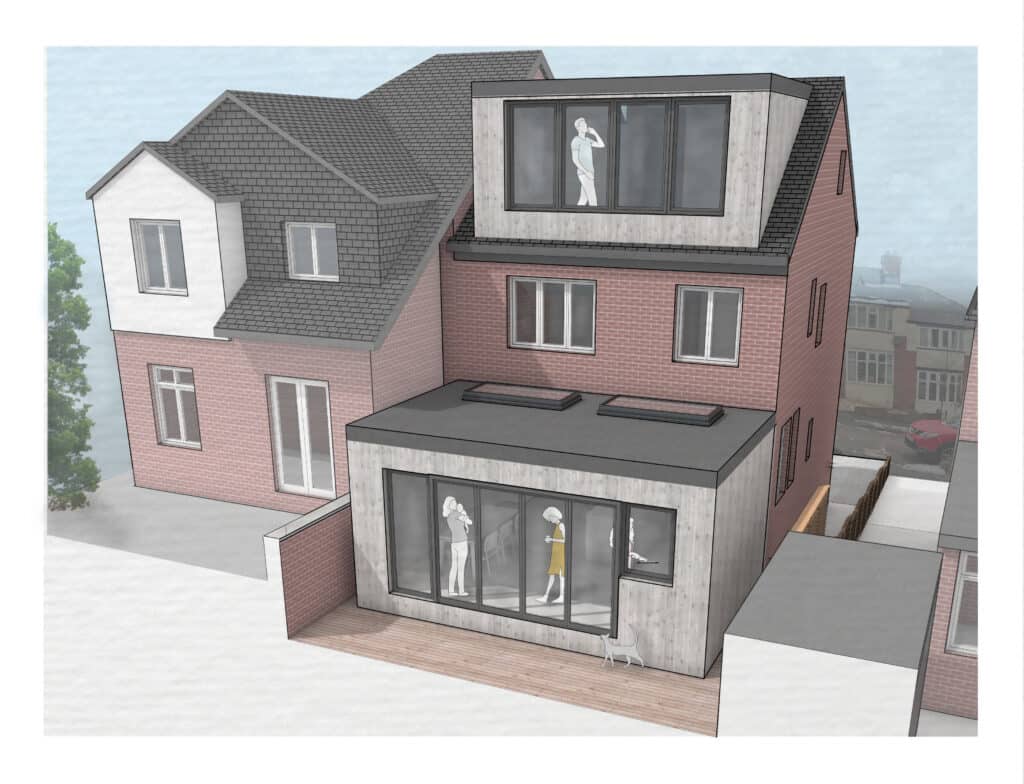
A dormer loft conversion is the most common and versatile way to create usable loft space in UK homes. It involves extending vertically from the existing roof slope to increase head height and floor area. This transforms awkward roof space into a practical room that feels bright, open and easy to furnish.
Why Are Dormers So Popular?
Dormer conversions are popular because they provide a large gain in usable space without drastically changing the appearance of the home. The added headroom allows for flat ceilings and straight walls, making the room feel like a natural extension of the house rather than a converted attic. Dormers also allow for full-size windows, improving light and ventilation. In many cases, rear dormers fall under permitted development, which can simplify the approval process.
Best Suited For
- Terraced homes
- Semi-detached houses
- Detached properties
- Homes with low roof height
Dormers offer one of the best balances between cost, practicality and space gained.
Hip-to-Gable Loft Conversions
A hip-to-gable loft conversion reshapes the roof by replacing a sloped side roof with a vertical wall. This extends the roofline and increases the internal volume of the loft, creating more usable floor space and better ceiling height.
Why Hip-to-Gable Conversions Are Effective?
This type of conversion works well because it unlocks space that would otherwise remain restricted. By widening the loft, homeowners gain more flexibility in layout and can create larger, more comfortable rooms. It’s especially useful for master suites or multi-purpose loft spaces. When designed carefully, the new roofline blends smoothly with the original structure.
Best Suited For
- Semi-detached homes
- Detached houses
- End-of-terrace properties
It’s less suitable for mid-terrace homes due to roof structure limits.
Combination of Both Loft Conversions
A combination loft conversion merges a hip-to-gable extension with a rear dormer to maximise both headroom and floor space. This creates the largest possible loft footprint and allows the space to function like a full additional storey.
Why Combination Conversions are Chosen?
Combination conversions are ideal for homeowners who want maximum flexibility. The expanded space allows for complex layouts such as bedroom suites, bathrooms, dressing areas or home offices. It’s the most transformative option and is often chosen for long-term family living or major home upgrades.
Best Suited For
- Families needing significant extra space
- Larger homes
- Long-term renovation projects
This option delivers the greatest increase in usable living area.
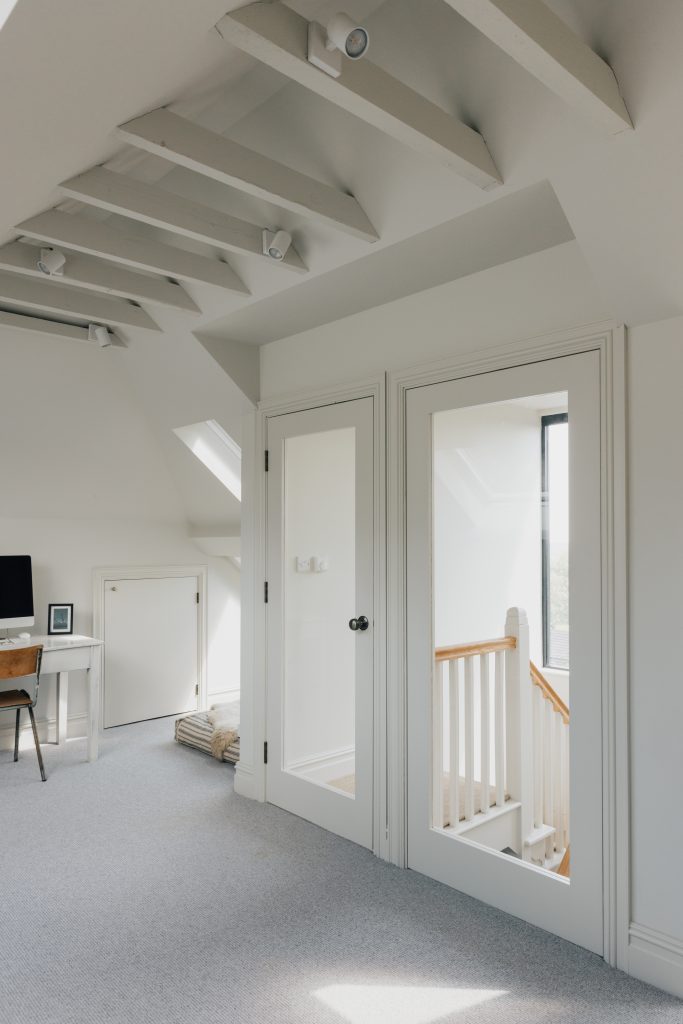
How Property Type Influences Loft Design?
Choosing the right loft conversion depends heavily on your home’s existing structure. Factors such as roof pitch and height, structural support, neighbouring properties and planning constraints all influence what type of conversion is possible. Permitted development allowances and your desired internal layout also play a key role in determining the most practical and cost-effective solution.
Older homes may need structural reinforcement, while modern properties can have stricter permitted development limits. Engaging a professional architect ensures that your loft conversion is not only safe and compliant with building regulations but also optimised to make the most of the available space.
How Astrid Architects Can Help?
At Astrid Architects, we approach loft conversions with a bespoke mindset, designing spaces that suit the way you live. From evaluating the most suitable conversion type to maximising natural light, views and storage, every detail is considered to create a functional and beautiful loft.
We also guide homeowners through planning and building regulations, produce detailed, buildable designs and support the construction process through to completion. Our goal is to ensure your loft feels like a seamless extension of your home, combining practicality, style and long-term value.
Final Thoughts
Knowing the different types of loft conversions is key to making the most of your home’s potential. Whether you choose a dormer, hip-to-gable, or combination design, the right option depends on your space requirements, property type and long-term plans.
A thoughtfully designed loft conversion does more than add square footage, it enhances the functionality, comfort and flow of your home. Getting expert guidance early in the design process ensures your project is practical, compliant and perfectly suited to your lifestyle.
Frequently Asked Questions
Which loft conversion type gives the most space?
Combination loft conversions generally provide the largest usable area because they merge a hip-to-gable extension with a rear dormer, creating a full additional storey feel.
Do I always need planning permission for a loft conversion?
Not necessarily. Many loft conversions fall under permitted development rights, but whether you need planning permission depends on your property type, location and the scale of the work.
How long does a loft conversion usually take?
Most loft projects take between 6 to 10 weeks, depending on the size, complexity and type of conversion. Professional planning and design can help streamline the process.
Will a loft conversion increase my home’s value?
Yes. A well-designed loft conversion can significantly enhance both the living space and resale value of your property, particularly when it adds a bedroom or bathroom.
Can I handle a loft conversion without an architect?
While it’s possible, working with an architect ensures your design is practical, compliant with building regulations, and maximises space and natural light — reducing costly mistakes and delays.
What factors should I consider before choosing a loft conversion type?
Consider your home’s roof shape, structural limits, desired layout, light, storage needs and whether you plan to include features like bathrooms or dressing rooms. Professional guidance helps make the right choice.
